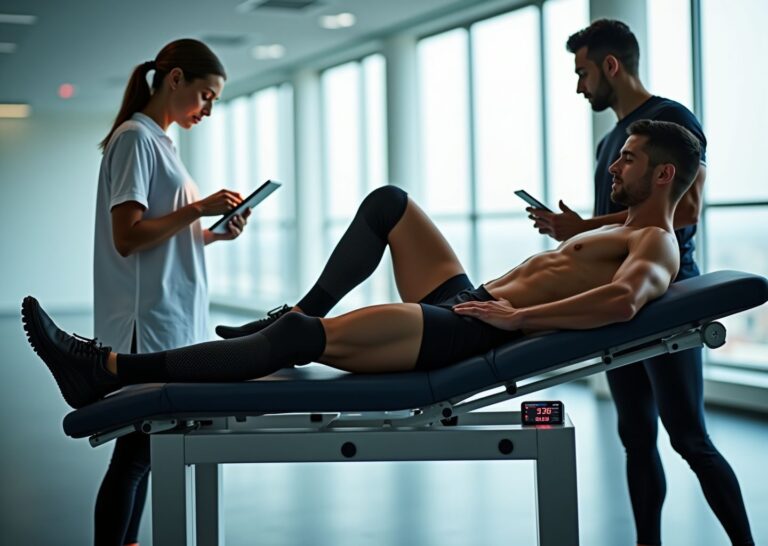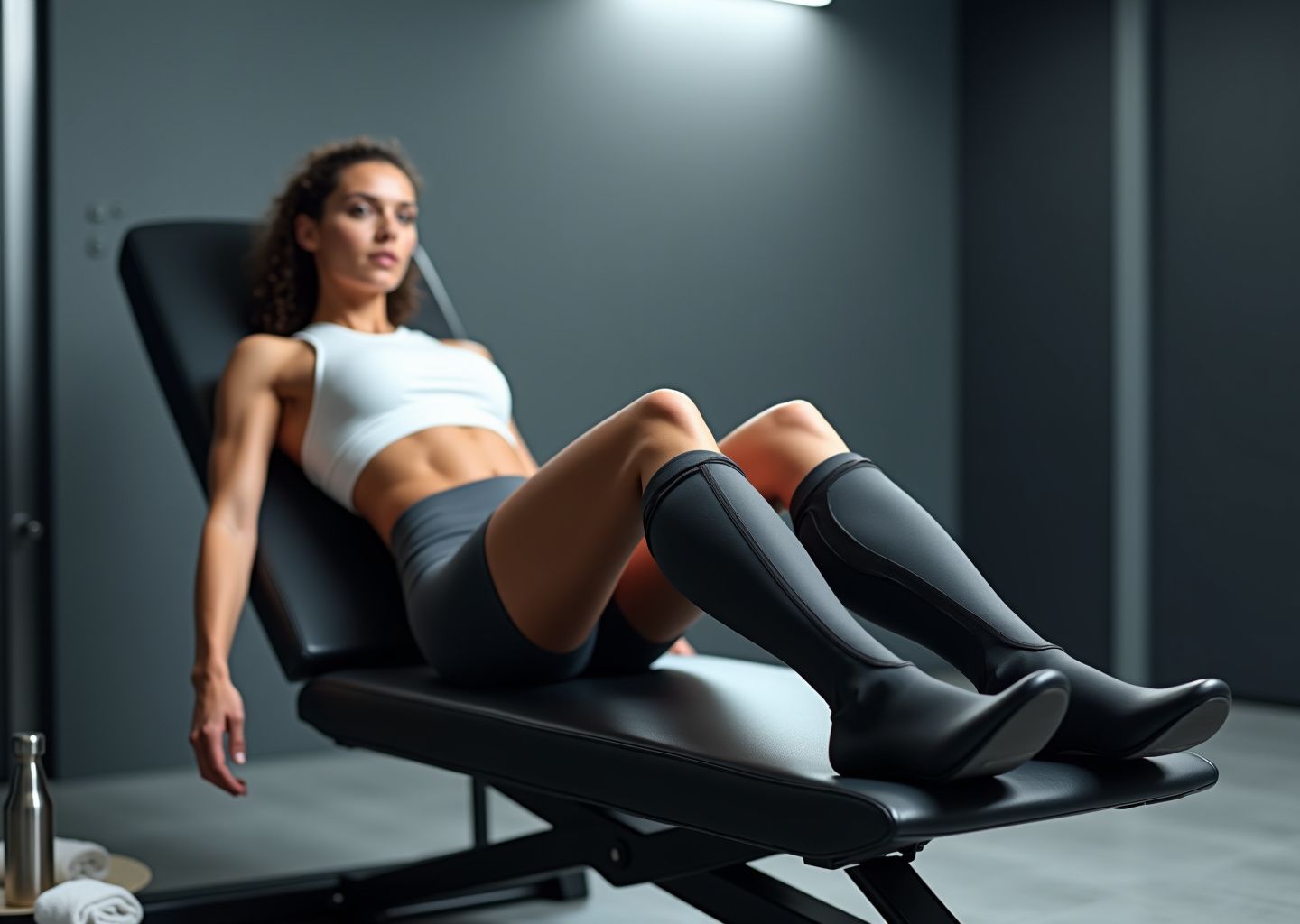
Compression boots and dynamic pneumatic systems are popular tools for athlete recovery. This guide walks beginners through how these devices work, how to choose and fit them, evidence-based protocols for use and programming, safety considerations, and practical tips to reduce soreness and accelerate healing. Read on for step-by-step instructions and expert-backed guidance to add compression boots to your recovery toolkit.
How Dynamic Compression Works and What It Helps
Dynamic pneumatic compression is more than just a tight squeeze; it’s a sophisticated, active massage driven by specific physiological principles. The core mechanism is sequential inflation, where multiple air chambers inside the boots inflate one after another, starting at your feet and systematically moving up toward your hips. Imagine squeezing a tube of toothpaste from the bottom to efficiently push everything toward the opening. This directional pressure is paired with gradient pressure, which means the compression is strongest at the ankle and gradually decreases as it moves up the leg. This design is critical because it prevents fluid from flowing backward. To complete the process, many systems employ intermittent pulses, a rhythmic pattern of inflation and deflation that mimics the natural muscle pump action your body uses when you walk, further encouraging fluid movement.
This combination of sequential, gradient, and pulsing pressure has a direct impact on your body’s circulatory processes. The main objective is to accelerate venous return, which is the rate at which deoxygenated blood and lymphatic fluid travel from your limbs back to your heart. By mechanically pushing this fluid out, the boots create space for fresh, oxygenated, and nutrient-rich blood to enter the area, fueling muscle repair. This action is particularly effective at reducing edema, the clinical term for swelling caused by excess fluid trapped in your body’s tissues after a hard workout. It also facilitates metabolic waste clearance, helping to flush out byproducts like lactate that accumulate during intense effort and contribute to that feeling of heavy, tired legs.
For an athlete, these internal processes translate into very real, tangible benefits. The most common and immediate effect users report is a noticeable reduction in delayed onset muscle soreness (DOMS). Your legs often feel lighter, less stiff, and far less achy in the 24 to 48 hours following a demanding training session or competition. This contributes to a significantly improved sense of perceived recovery. While this is a subjective measure, the psychological advantage of feeling fresh and ready to go cannot be overstated in a rigorous training plan. The faster clearance of fluid and waste products means you can potentially bounce back more quickly for your next workout, feeling more prepared to perform at your best. These are some of the key benefits of recovery boots that athletes consistently highlight.
It’s also useful to understand how dynamic compression differs from other popular recovery modalities. Unlike static compression garments, such as socks or tights that provide a constant, passive pressure, boots deliver an active, massaging wave that physically moves fluid. When compared to a manual massage from a therapist, boots offer programmable consistency and control, allowing you to dial in the exact pressure and pattern you need every time. The comparison to active recovery, like a cool-down spin on a bike, is also telling. Research has shown that compression boots can clear blood lactate at a similar rate to active recovery within the first 10 minutes of a session, although a light workout may be more effective after the 15-minute mark.
The body of scientific research on these devices has expanded considerably over the last decade. A comprehensive 2024 review that analyzed 17 studies involving 319 athletes found that compression boots offer modest yet statistically significant improvements in reducing muscle soreness and enhancing subjective feelings of recovery. However, it’s important to maintain a balanced perspective. The benefits are not a magic fix and can vary based on the sport, workout intensity, session timing, and the specific device used. While athletes consistently feel better after using boots, objective physiological markers like inflammation and muscle damage do not always show a corresponding improvement. This suggests that a powerful placebo effect may contribute to the perceived benefits, but in sports, feeling recovered is a critical component of performance. You can find a good summary of the research on post-exercise recovery here.
The technology itself originated in a clinical setting. For decades, hospitals have used medical-grade sequential compression devices (SCDs) for deep vein thrombosis (DVT) prophylaxis in post-operative or immobile patients to prevent life-threatening blood clots. It is crucial to distinguish these prescribed medical devices from the consumer-focused systems athletes use. While the underlying principle is similar, consumer boots are designed for wellness and athletic recovery. They typically offer a much wider pressure range and a variety of modes tailored to flushing muscles rather than the gentle, sustained pressure needed for DVT prevention.
As you begin to explore different compression systems, you’ll find several key features that define their performance and suitability for your needs.
- Pressure Range
Measured in millimeters of mercury (mmHg), most boots offer a range from around 20 mmHg (light flush) to over 100 mmHg (deep compression). This adjustability is vital, allowing you to customize the intensity based on your soreness level and personal preference. - Zones
These are the individual air chambers within each boot that inflate. Systems typically have between four and eight zones. Generally, a higher number of zones allows for a smoother, more precise, and more effective wave of compression up the leg. - Modes
Different devices offer various inflation patterns. A “sequential” or “wave” mode is standard for flushing fluid, while a “pulsing” mode provides a more targeted massage to break up tightness before moving fluid out. Some systems also allow you to toggle gradient pressure settings. - Portability and Power
Your lifestyle will dictate whether you need a plug-in model for a dedicated home recovery station or a battery-powered system for travel to races and training camps. A 2023 study on the portable Therabody JetBoots found that daily use helped mitigate fatigue and improve recovery markers in athletes. - App Control
By 2025, app integration has become a common feature in premium models. A connected app allows for granular control over settings, lets you create and save custom routines, and helps you track your recovery data alongside your training metrics.
Choosing Fit Features and Preparing Your System
Deciding to invest in a compression system is the first step. The next, and arguably more important one, is choosing the right system for your specific needs and getting it ready for its first use. With so many options on the market in 2025, from simple calf sleeves to advanced, app-controlled full-body systems, making an informed choice can feel overwhelming. This guide breaks down the essential features to look for and walks you through the initial setup process, ensuring your first experience is safe, comfortable, and effective.
Finding Your Perfect Match A Buyer’s Checklist
Before you add anything to your cart, run through this checklist. Your answers will narrow down the options significantly and point you toward a system that aligns with your training, lifestyle, and recovery goals.
Intended Use
How do you plan to use the boots most often? Your primary goal dictates the type of system you need.
- Post-Workout Recovery: This is the most common use. You’ll want a robust system with multiple zones and a wide pressure range to help manage muscle soreness after intense sessions. These are often the cornerstone of a comprehensive recovery strategy.
- Travel: If you’re frequently on planes or buses, a lightweight, portable system with good battery life is essential. Shorter, lower-pressure sessions can help combat stiffness and swelling from prolonged sitting.
- Rehabilitation: If you’re recovering from an injury or surgery, your needs are medical. It’s crucial to consult with a physical therapist or doctor. They may recommend a specific type of device, possibly one with FDA clearance for medical applications, and will provide precise usage protocols.
Coverage Number of Zones
Compression systems target different parts of the body. More zones generally allow for a more precise and effective sequential compression.
- Calf-Only: Ideal for runners or athletes whose primary fatigue is in the lower legs. They are also typically more portable.
- Full-Leg: The most popular option, covering the feet, calves, knees, and thighs. These systems provide comprehensive flushing for the entire leg, making them versatile for most sports.
- Hip and Glute Attachments: These are add-ons for full-leg systems that target the lower back, glutes, and hip flexors. They are particularly beneficial for cyclists, lifters, and athletes who rely on powerful hip extension.
Pressure Range and Adjustability
Look for a system with a wide, adjustable pressure range, typically from around 20 mmHg to at least 100 mmHg. Lower pressures (20-40 mmHg) are great for warm-ups, travel, or sensitive users, while higher pressures (50-100 mmHg) are used for deep flushing after strenuous workouts. The ability to fine-tune the pressure in small increments allows you to customize each session to your daily needs and tolerance.
Inflation Patterns
Modern systems offer various inflation modes to serve different purposes. Key patterns to look for include a ‘sequential’ or ‘wave’ mode for efficient fluid flushing and a ‘pulsing’ mode for a more dynamic, massage-like sensation. Having these options allows you to tailor sessions to specific recovery needs.
Portability and Battery Life
If you plan to take your boots to the gym, track, or on the road, portability is key. Check the total weight of the system, including the pump and carry case. Battery life is equally important. Most portable units offer 2 to 4 hours of use on a single charge, which is enough for several sessions. For home-only use, a plug-in model is perfectly fine and removes any worry about battery life.
Build Quality and Warranty
Compression boots are an investment, so durability matters. Look for high-quality, non-porous materials that are easy to clean, sturdy zippers, and securely fitting hose connectors. A good warranty is a sign of the manufacturer’s confidence in their product. A one-year warranty is standard, but some premium brands offer two years of coverage.
Ease of Cleaning
Hygiene is non-negotiable. You’ll be sweating in these boots, so they need to be easy to clean. The interior and exterior surfaces should be made of material you can easily wipe down with a damp cloth or disinfectant wipe. Some systems also offer removable, machine-washable liners, which is a major plus for long-term use.
FDA Clearance
Some compression systems are listed as FDA-cleared Class II medical devices. This clearance often pertains to specific medical uses, like treating lymphedema or preventing DVT. For a healthy athlete, this isn’t strictly necessary, as many excellent systems are marketed as wellness devices. However, FDA clearance can provide an extra layer of assurance regarding the device’s safety and manufacturing standards.
Sizing and First-Time Setup
Getting the Right Fit
An improper fit can render a session ineffective or even cause discomfort. To find your correct size, you’ll need a soft measuring tape.
- Measure Your Leg Length: Some brands size by height, but most use specific leg measurements for a more accurate fit. Check the manufacturer’s guide.
- Measure Circumference: Measure the circumference of the widest part of your calf and the widest part of your thigh.
- Consult the Chart: Compare your measurements to the manufacturer’s sizing chart. If you fall between sizes, it’s often best to contact their customer support for a recommendation.
A proper fit should feel snug but not constricting before the device is even turned on. During inflation, the pressure should feel firm and comprehensive, like a tight hug, but never painful. There should be no pinching, sharp pressure points, or feelings of numbness or tingling. If you experience any of these, the pressure is too high or the fit is wrong.
Preparing Your System for First Use
Once your boots arrive, take a few minutes to set them up correctly.
- Charge It Up: The first thing you should do is fully charge the control unit. This can take a few hours.
- Inspect Everything: Unpack all the components and inspect the boots, hoses, and pump for any signs of damage that may have occurred during shipping. Ensure all seals and connectors look intact.
- Connect the Hoses: Attach the hoses to the control unit and then to the ports on each boot. Make sure the connections are secure to prevent air leaks.
- Get Comfortable: Find a comfortable place to lie down or recline. Elevating your legs slightly on a pillow or couch cushion can enhance the effects of the session.
- Run a Test Cycle: Before your first full session, put the boots on and run a short, 10-minute cycle at a very low pressure setting (around 30 mmHg). This allows you to confirm everything is working correctly and that the fit feels comfortable throughout the inflation and deflation cycle.
Maintenance and Travel Tips
To keep your system running smoothly, wipe down the boots inside and out with a damp cloth after each use and let them air dry completely. Regularly check the zippers and hose connections for wear and tear. For travelers, always pack your boots in a protective carry case. Most device batteries are under the 100Wh airline limit for carry-on luggage, but it’s always wise to check with your airline. And if you’re traveling internationally, don’t forget the appropriate power adapter for the control unit.
Step-by-Step How to Use Compression Boots and Program Sessions
You’ve unboxed your system and checked the fit, now it’s time for the best part, actually using your compression boots. Getting started is simple, but following a structured approach ensures you get the most out of every session safely and effectively. This guide will walk you through the entire process, from pre-session safety checks to creating a weekly schedule that syncs with your training.
Before you even think about zipping up, run through a quick safety checklist. First, check the skin on your legs. It should be clean, dry, and intact. Never use compression boots over open wounds, cuts, or infections. Second, and this is critical, be certain you do not have a current or suspected Deep Vein Thrombosis (DVT) or any other acute circulatory issue. If you have any of the contraindications listed in your device’s manual, such as severe peripheral artery disease or congestive heart failure, consult your physician before proceeding. Your health always comes first.
Once you’re cleared for launch, get comfortable. The ideal position is lying down flat or in a reclined chair with your legs straight out and slightly elevated, perhaps with a pillow or two under your heels. This position uses gravity to assist with fluid return, making the boots’ job a little easier. Now, let’s get the boots on.
- Slide your leg into the boot, making sure your heel is settled into the back of the foot compartment.
- Align the boot so the most distal seam, where the foot section meets the ankle, sits right over your ankle joint.
- Secure the zippers or straps evenly, starting from your foot and working your way up. The fit should be snug but not tight before the inflation even starts. Ensure there are no major folds or creases in the material, as these can create uncomfortable pressure points once the session begins.
With the boots on and hoses connected, you’re ready to program your session. For beginners, it’s best to start with pre-set templates and adjust based on how you feel. Here are a few common scenarios and suggested starting points. Remember, these are general guidelines; always stay within the pressure limits recommended by your device’s manufacturer.
The Quick Flush (Between Workouts or Post-Travel)
This is a short, low-intensity session perfect for reviving your legs after a long flight or as a refresh between two-a-day training sessions.
- Duration: 10–20 minutes
- Pressure: Low (20–40 mmHg)
- Mode: A standard sequential or pulse mode works well here.
Standard Post-Training Recovery
This is your go-to session after most moderate to hard workouts. It’s designed to help clear metabolic waste and reduce next-day soreness.
- Duration: 20–30 minutes
- Pressure: Moderate (35–60 mmHg)
- Mode: A sequential mode that inflates from the foot towards the thigh is ideal for promoting circulation.
Deep Recovery Session
Save this one for after your longest endurance efforts or a particularly grueling leg day. The extended time and higher pressure provide a more intensive flush.
- Duration: 30–60 minutes
- Pressure: Moderate-to-high (45–75 mmHg)
- Mode: A sequential mode with longer hold times in each zone can be particularly effective for addressing swelling and muscle fatigue.
Integrating these sessions into your week is key. During lighter training weeks, one or two sessions might be plenty. In contrast, during intense training blocks or when traveling frequently for competitions, you might benefit from using them two to four times per week. As you get more comfortable, you can start exploring your device’s settings. Many systems offer different inflation patterns. A gradient or sequential mode, which holds pressure in lower chambers as it inflates upper ones, is excellent for moving fluid and reducing edema. A pulse mode, which squeezes and releases each zone in sequence, is often preferred for flushing out metabolites. Start with a lower pressure and gradually increase it by 5–10 mmHg over several sessions as you adapt. You can also stack your recovery by using the boots before a session of icing or after a light active recovery walk.
Even with a perfect setup, you might run into minor issues. If you ever feel pins-and-needles, numbness, or pain, don’t push through it. Immediately reduce the pressure significantly or stop the session. Then, check that the boots aren’t too tight, the hoses aren’t kinked, and your clothing isn’t bunched up and restricting circulation.
Finally, a few practical tips will help you maximize your results. Hydrate with a glass of water before and after your session to support fluid dynamics. Avoid falling asleep in the boots unless your manufacturer’s instructions specifically state it is safe. To track your progress, consider keeping a simple log. Note the date, session duration, pressure setting, and your muscle soreness on a scale of 1 to 10 before and after. This data will help you see what works best for your body. And if you ever experience unusual swelling, skin discoloration, or persistent pain after a session, stop using the boots and consult a medical professional.
Frequently Asked Questions
Are compression boots generally safe to use?
Yes, for most healthy athletes, compression boots are very safe when used correctly. Safety comes down to following the manufacturer’s instructions for your specific device and making sure you don’t have any underlying health conditions that would make them risky. The key is to start with low pressure settings and short durations to see how your body responds. If you ever feel pain, numbness, or tingling, you should stop the session immediately. Think of it as a tool; when used as intended, it’s perfectly safe, but ignoring the rules can cause problems.
What are the main contraindications for using compression boots?
You should not use compression boots and must consult a physician if you have any of the following conditions: acute deep vein thrombosis (DVT), thrombophlebitis, severe atherosclerosis, or other ischemic vascular diseases. Other conditions that require medical clearance include congestive heart failure, any local skin or soft tissue infection (like cellulitis), or if you have an unhealed fracture or recent trauma to the area. If you are pregnant and have any concerns, it’s always best to speak with your doctor before starting. When in doubt, medical clearance is the safest path.
Can compression boots cause blood clots?
This is a common concern, but the answer is no. In fact, medical-grade pneumatic compression devices have been used for decades in hospitals to help prevent blood clots in post-operative patients. The technology is designed to enhance blood flow and lymphatic drainage, which reduces circulatory stagnation. The critical exception is if you already have a blood clot (DVT). Applying deep, dynamic pressure to a limb with an existing clot could dislodge it, which is extremely dangerous. This is why it’s a primary contraindication.
Is it okay to fall asleep while wearing compression boots?
It’s strongly recommended that you do not sleep in your compression boots. These are powerful devices, and you should be awake and alert during a session to monitor how you feel. Falling asleep means you can’t respond if you experience numbness or discomfort. Furthermore, prolonged, uninterrupted compression overnight could potentially restrict circulation in an unsafe way. Sessions are designed to be between 20 to 60 minutes for a reason. Always follow the manufacturer’s guidelines, which almost universally advise against sleeping in the device.
Can compression boots actually prevent injuries?
They don’t prevent acute injuries like a twisted ankle or a torn ligament. However, they can play a role in reducing the risk of overuse injuries. Many overuse injuries stem from inadequate recovery, accumulated muscle fatigue, and inflammation. By consistently promoting better recovery, reducing muscle soreness, and helping your legs feel fresher for the next session, you are less likely to train in a fatigued state. Better recovery supports more consistent, higher-quality training, which indirectly contributes to a more resilient body.
Can I use the boots if I have a minor injury or stitches?
Absolutely not over any open wound, stitches, or skin infection. The pressure could damage the healing tissue and introduce bacteria, leading to serious complications. For musculoskeletal injuries like a muscle strain or tendonitis, you must consult a doctor or sports medicine clinician. In some rehabilitation settings, compression is used to manage swelling, but the protocol (pressure, duration, and timing) must be prescribed by a professional who understands your specific injury.
How often should I clean my compression boots?
You should wipe them down after every use. Sweat and dead skin cells can build up inside the boots, creating a breeding ground for bacteria. Use a damp cloth or a gentle, non-alcoholic wipe to clean the interior and exterior surfaces. Allow them to air dry completely before zipping them up and storing them. This simple habit keeps them hygienic and prolongs the life of the material.
Is it possible to get my compression boots covered by insurance?
For general athletic recovery, it is highly unlikely. Most insurance companies classify them as wellness or fitness devices, not as durable medical equipment. However, in certain clinical situations, a physician might prescribe a pneumatic compression device to treat a medical condition like chronic venous insufficiency or lymphedema. In these specific, medically necessary cases, some level of coverage may be possible, but you would need to work closely with your doctor and insurance provider.
Final Takeaways and Practical Recommendations
So, you’ve learned the what, why, and how of compression boots. Now it’s time to put it all together. Think of compression boots as a valuable player on your recovery team, not the entire team itself. They excel at reducing muscle soreness and improving circulation, which can make your legs feel fresher and lighter after a tough session. Studies, including a large 2024 review, confirm they provide modest but tangible benefits for muscle function recovery. Many athletes report feeling significantly better, and with a high percentage of users praising their effectiveness, the subjective benefits are hard to ignore. However, it’s important to keep expectations grounded. Compression boots are not a magic fix for preventing injuries, nor do they consistently outperform simple active recovery like a cool-down walk for clearing metabolic byproducts like lactate after the first 10 minutes. Their greatest strength lies in enhancing your body’s natural recovery processes, especially on days when you need a passive option.
Before you even zip up, safety is paramount. The most critical rule is to avoid using boots if you have, or suspect you have, Deep Vein Thrombosis (DVT), peripheral arterial disease, congestive heart failure, or any open wounds or infections on your legs. These conditions are serious contraindications. Always start with the lowest pressure setting for a short duration to see how your body responds. A little pressure is good; pain, numbness, or tingling is a clear signal to stop immediately. Remember that consistency is more effective than intensity. A moderate, regular routine will serve you far better than occasional high-pressure blasts.
If you’re in the market for a system, focus on three key factors. First is fit. Measure your leg length and circumference to ensure the boots are snug but not constrictive. A poor fit can create pressure points or leave gaps, reducing effectiveness. Second, consider the number of zones or chambers. More zones, typically from four to eight, allow for a more precise and gradual compression wave up the leg. Finally, think about portability. If you travel often for competitions, a lightweight, battery-powered model with a good carrying case is essential. For home-only use, a heavier plug-in unit is perfectly fine and removes any concerns about battery life.
To build a safe and effective habit, follow this simple checklist before every session.
- Inspect Your Skin
Check for any cuts, scrapes, or irritation. Do not use the boots over open wounds. - Confirm the Fit
Make sure the boots are zipped up smoothly with no folds or kinks that could create uneven pressure. - Start Low
Begin every session at a low pressure for the first few minutes before gradually increasing to your target level. - Hydrate
Drink a glass of water before and after your session to support fluid movement and waste clearance. - Log Your Session
Note the date, duration, and pressure setting. This helps you track what works best for you.
Tracking your results is the best way to understand the impact on your personal recovery. It doesn’t have to be complicated. Use a subjective soreness scale from 1 to 10, rating your legs before and 24 hours after a session. You can also monitor objective performance metrics. For example, if your legs feel heavy during warm-ups the day after a hard workout, see if a boot session improves that feeling or your performance in subsequent training. Pay attention to how your body feels and performs over several weeks of consistent use. A 2023 study on daily use of Therabody’s JetBoots found that athletes felt more recovered and showed objective improvements over a five-week period, highlighting the value of consistent tracking.
Finally, always remember that compression boots are a supplement to, not a substitute for, a comprehensive recovery strategy. Prioritize sleep, nutrition, hydration, and smart training periodization first. If you have any pre-existing medical conditions, are pregnant, or are recovering from a significant injury or surgery, consult with your doctor or a physical therapist before using compression boots. They can provide personalized guidance and ensure this technology is a safe and effective addition to your routine. Used thoughtfully, compression boots can become a reliable tool in your athletic arsenal, helping you recover faster and feel better. For more insights on building a complete recovery plan, check out The Ultimate Guide to Athlete Recovery in 2025.
Sources
- The Ultimate Guide to Athlete Recovery in 2025 – recoveryboots — Compression boots aid in improving circulation, reducing inflammation, speeding up muscle repair post-exercise, and alleviating muscle soreness.
- 10 Benefits of Recovery Boots for Enhanced Performance and … — These advanced devices utilize pneumatic compression not only to alleviate muscle soreness but also to enhance overall performance and wellness.
- Intermittent pneumatic compression boots for post-exercise recovery — A 2024 review analysed 17 studies involving 319 athletes and found that compression boots provided modest recovery benefits: Muscle function …
- ACE-Supported Research: Can Compression Devices Enhance … — The purpose of this study was to evaluate blood lactate (BLa) clearance and exercise performance following the usage of the NormaTec Pulse 2.0 Recovery System.
- Sports Recovery Trends in 2025 – SunnySports — AI-powered compression boots adjust air pressure based on your recovery needs, mimicking massage therapy while tracking blood flow and muscle …
- Daily Pneumatic Compression Therapy Mitigates Fatigue and … — The study found that daily use of Therabody's JetBoots helped mitigate fatigue, improved objective measures of recovery, and helped athletes …
- 2025 Trends of Compression Recovery Boots – Accio — 85% of reviews praise effectiveness in reducing muscle soreness and improving circulation. · 70% highlight comfort and ease of use.
- Compression Boots – Sachin's Passion Blog – Sites at Penn State — The boots are believed to improve circulation, decrease inflammation, and shorten recovery time. Some non-professional athletes credit …
Legal Disclaimers & Brand Notices
This content is provided for informational and educational purposes only and does not constitute medical advice, diagnosis, or treatment. The discussion of physiological processes, contraindications (such as Deep Vein Thrombosis, congestive heart failure, or severe vascular diseases), and recovery protocols is not a substitute for consultation with a qualified healthcare professional, physician, or physical therapist.
Always seek the advice of a medical professional before starting any new recovery regimen, especially if you have pre-existing medical conditions, are pregnant, or are recovering from an injury or surgery. If you experience pain, numbness, tingling, or any adverse symptoms while using a compression device, stop use immediately and consult your doctor.
All product names, logos, and brands mentioned or referred to in this article (including, but not limited to, Therabody and NormaTec) are trademarks or registered trademarks of their respective owners. Their use does not imply any affiliation with or endorsement by the trademark holders.