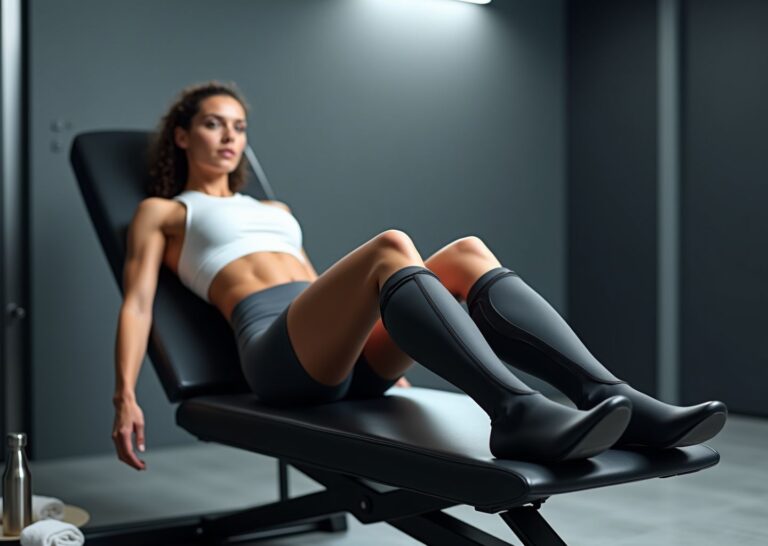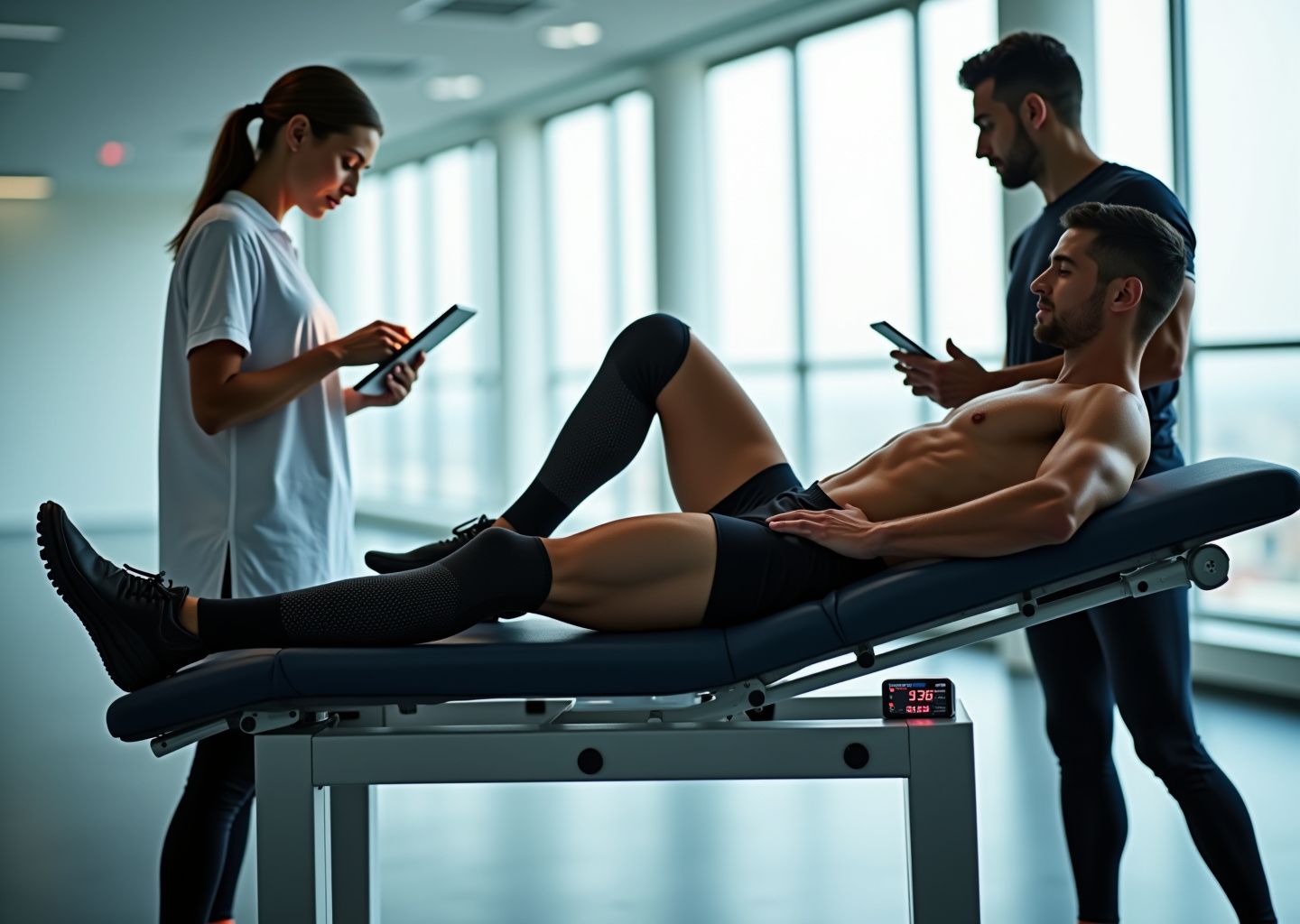
Compression boots and dynamic pneumatic systems are widely used by athletes to accelerate recovery and reduce muscle soreness. This article explains how compression boots work, reviews the evidence for optimal session length and pressure, offers practical programming for athletes and travelers, and highlights safety, contraindications, and device-selection tips to get measurable benefits without unnecessary time or risk.
How Compression Boots Work and Optimal Usage Guidelines
The duration of your session is the most common variable athletes get wrong. There is a prevailing mindset in sports that if some is good, more must be better. With pneumatic compression, that logic fails. The physiological benefits of dynamic compression—specifically venous return and the clearance of metabolic byproducts—follow a curve of diminishing returns. You can have the best pneumatic compression system on the market, but using it for three hours straight won’t triple your recovery speed; in fact, it might do the opposite.
Finding the Optimal Time Window
Most athletes should aim for a session length between 20 and 30 minutes. This timeframe allows for multiple full cycles of inflation and deflation, which is sufficient to mobilize fluid and stimulate blood flow without causing tissue irritation. Recent data, including a 2024 systematic review analyzing 17 studies, suggests that the primary benefits occur relatively quickly. Once that initial flush happens, staying in the boots longer provides minimal additional physiological benefit for immediate post-exercise recovery.
Immediate Post-Exercise (15–30 minutes)
For recovery right after a workout, a 20 to 30-minute session is adequate. Research suggests 20-30 minutes is adequate for most recovery sessions, with benefits plateauing shortly after. The goal here is to assist the venous pump, flush out acute metabolic waste like lactate, and reduce the initial onset of edema before it settles. Sitting in the boots for an hour immediately after training does not statistically improve blood lactate clearance compared to a 30-minute session and delays other critical recovery steps like eating or sleeping.
Evening Recovery (30–60 minutes)
If you are using the boots hours after training, perhaps while relaxing at home, you can extend the session to 45 or 60 minutes. The focus here shifts from acute waste clearance to general relaxation and parasympathetic nervous system activation. The rhythmic compression can act similarly to a massage, lowering heart rate and preparing the body for sleep. However, sessions longer than 60 minutes rarely offer additional physiological advantages and may lead to temporary nerve compression or skin irritation.
Travel and Long-Haul Flights
Travel is the exception where longer or more frequent usage is warranted. During flights or long drives, the lack of muscle contraction reduces natural venous return. Using mobile compression units for 30 to 60 minutes helps mimic the muscle pump effect. On very long flights, it is better to do multiple 30-minute bouts separated by periods of walking or stretching, rather than one continuous multi-hour session. If you have a portable battery-operated unit, use it at cruising altitude or immediately upon landing to combat fluid pooling.
Rehab and Soft Tissue Injury
For managing edema from a sprain or strain, shorter, more frequent bouts are superior to one long session. Aim for 15 to 20 minutes, two or three times a day, to keep fluid moving without stressing the injured tissue. Note: Always clear this with your physical therapist first. Do not use dynamic compression on a fresh, acute injury in the first 24 to 48 hours without approval, as the pumping motion could increase internal bleeding. Fresh acute injuries often require static compression rather than dynamic pumping.
Pressure Settings: Why Higher Isn’t Better
A common mistake is cranking the pressure up to the maximum setting, assuming it will “squeeze out” more fatigue. High pressure can actually be counterproductive. If the pressure is too high, it may occlude arterial blood flow, preventing fresh, oxygenated blood from reaching the muscle tissue you are trying to recover. You want a firm squeeze, not a tourniquet.
The Therapeutic Range (30–70 mmHg)
For most recovery purposes, a pressure range of 30 to 70 mmHg is effective.
Gentle Recovery (30–50 mmHg): Sufficient for lymphatic drainage and reducing mild swelling. Use this range if you are sensitive to pressure, have minor bruising, or are simply looking for relaxation.
Typical Athletic Recovery (50–70 mmHg): Provides a firmer compression that many athletes prefer for muscle tightness. This influences deep veins and muscle tissue effectively.
Subjective Tolerance
Pressure tolerance varies by leg size and muscle density. A setting of 50 mmHg might feel light to a linebacker with large quadriceps but intense to a distance runner with leaner limbs. The sensation should be firm and squeezing, never painful or numbing. If your toes start to tingle or you feel a pulse throbbing uncomfortably in your thigh, the pressure is too high. Anything above 80-90 mmHg should be approached with caution and is often unnecessary unless prescribed for specific medical conditions.
Sample Protocols for Different Scenarios
Programming your boots depends entirely on what your day looks like. Here are three common protocols to integrate into your schedule.
| Scenario | Timing | Duration | Pressure | Frequency |
|---|---|---|---|---|
| High-Intensity Training Day | 30-60 mins post-workout | 25-30 Minutes | Medium (50-60 mmHg) | 1 session |
| Multi-Game Tournament | Between games (gap > 2 hrs) | 15-20 Minutes | Low-Medium (40-50 mmHg) | 2-3 short sessions |
| Long-Haul Travel Day | Mid-flight or post-arrival | 45-60 Minutes | Low (30-50 mmHg) | 1-2 sessions |
Protocol 1: The Daily Grinder
Use this after a heavy squat session or long run. Finish your cool-down, shower, and get into the boots. Set the pressure to 60 mmHg. Run a 30-minute cycle while drinking your protein shake. This consolidates your recovery tasks.
Protocol 2: The Tournament Flush
You played a match at 10 AM and have another at 2 PM. Do not do a long, heavy session that might leave legs feeling “dead” or too relaxed. Do a quick 15-minute flush at lower pressure (40 mmHg) just to clear stiffness. Follow this with active mobility work to keep the nervous system primed.
Protocol 3: The Travel Protocol
On a 6-hour flight, wait until you are at cruising altitude. Put on the boots for 45 minutes at low pressure. The goal is simply to prevent swelling. Hydrate aggressively during this time.
Frequency and Cumulative Dosing
You can use compression boots daily, but you need to monitor how your tissue responds over a week. A safe upper limit for most athletes is 60 minutes per day total. If you are spending two hours a day in boots, you are likely neglecting other critical recovery pillars like sleep or active movement.
Daily Usage Guidelines
Using the boots once or twice a day is standard for elite athletes during training camps. A typical schedule involves a short session after the morning workout and a longer, lower-pressure session in the evening. If you are training once a day, a single daily session is sufficient.
Signs of Overuse
While rare, overuse can occur. Symptoms include skin chafing, itching (often due to heat and sweat accumulation inside the sleeve), or a sensation of “dead legs” where the muscles feel unresponsive rather than refreshed. If you experience persistent numbness or bruising, discontinue use immediately and reassess your pressure settings.
Safety, Contraindications, and Overnight Wear
Do Not Sleep in Boots
Do not sleep in standard athletic compression boots. While medical-grade static compression stockings are designed for 24-hour wear, dynamic pneumatic systems are active machines. Most commercial units have auto-shutoff timers (usually 60 minutes) for a reason. Falling asleep while the device is cycling at high pressure poses risks of prolonged occlusion if a hose kinks or the device malfunctions. Additionally, the continuous noise and sensation disrupt deep sleep cycles, which is the most critical component of recovery.
Medical Contraindications (DVT)
This is a major safety rule: do not use compression boots if you have a history of Deep Vein Thrombosis (DVT) or are currently taking blood thinners (anticoagulants) without specific medical clearance. The mechanical squeezing can dislodge a blood clot, which can travel to the lungs or heart and become life-threatening.
Integration with Other Modalities
Compression boots are a tool in a broader ecosystem. They work best when sequenced correctly with nutrition, hydration, and thermal therapies.
Hydration First
Compression increases fluid shift from the interstitial space into the vascular system, increasing urine production. If you are dehydrated post-workout, sitting in boots might accelerate dehydration as your body processes fluids. Always drink water and electrolytes before or during your session.
Sequencing with Cold, Heat, and Active Recovery
The order of operations matters:
Heat/Sauna: Do this first. Heat dilates vessels; compression helps move that increased blood volume.
Active Recovery: If you are doing a stationary bike spin, do the active work first. Let the heart rate come down, then use the boots as the final step to settle the body.
Cryotherapy/Ice: Generally, use ice after compression or use cryo-compression units that do both simultaneously. Using ice immediately before compression constricts vessels, making the boots work harder to open them back up. However, recent reviews suggest compression boots provide modest recovery benefits on their own, so combining too many modalities at once can sometimes be overkill.
Monitoring and Personalization
Data drives better decisions. Instead of blindly following a protocol, track how the boots affect your readiness.
Subjective Feedback
Use a simple 1-10 scale for leg soreness and “heaviness” before and after a session. A successful session should drop that number by at least 2 points (e.g., going from a 7/10 soreness to a 4/10). If you feel no difference, adjust the timing or pressure next time. If the score doesn’t change, check your hydration.
Objective Metrics
Watch your Heart Rate Variability (HRV) and resting heart rate. An effective evening recovery session often correlates with higher HRV the next morning, indicating a shift to parasympathetic dominance. If your HRV tanks despite heavy boot usage, you are likely under-recovering in other areas like sleep or nutrition.
Practical Tips and Device Selection
Consistency is difficult if the experience is uncomfortable. Small adjustments make the habit stick.
Clothing and Hygiene
Wear long, thin cotton or compression socks and leggings inside the boots. This absorbs sweat and prevents the plastic or nylon material from sticking to your skin. It also keeps the boots cleaner, reducing bacterial buildup over time—this is non-negotiable if sharing boots with teammates.
Battery Management
For mobile units, battery life degrades over time. Do not leave the control unit plugged in at 100% charge for weeks. Discharge it regularly. Cold weather drains lithium batteries faster, so keep the control unit warm if using it outdoors.
Choosing a Device
When selecting a unit, look for three main things: a pressure range that goes up to at least 100 mmHg (even if you rarely use the max), attachments that actually fit your leg length (too big or too small ruins the effect), and FDA clearance, which is a good indicator of safety and build quality.
Advice for Coaches
When implementing compression into a team setting, logistics are the biggest hurdle. You likely have fewer pairs of boots than athletes.
Rotation Strategies
Integrate boots into the team schedule as a station, not an optional extra. Create a rotation based on playing time and load. High-minute athletes (e.g., a pitcher who threw 100 pitches) get priority immediately post-game. Lower-minute athletes can use them the following morning. Keep sessions to strict 20-minute blocks to maximize turnover.
Education
Teach athletes that the boots are not a cure-all. They do not fix a bad diet or lack of sleep. Frame them as a “finisher” to the recovery process, not the foundation. Some studies fail to show performance improvement despite athletes feeling better, so manage expectations regarding actual performance gains versus perceived soreness reduction. The placebo effect is real and powerful—if they believe it helps, it likely will—but the physiological data supports keeping sessions short and consistent.
Sources
- Compression Boots Benefits: Science-Backed Recovery for Athletes — Research suggests 20-30 minutes is adequate for most recovery sessions with compression boots for legs, with diminishing returns after approximately 40 minutes.
- Utilizing Normatec Compression Boots to Recover Faster — Normatec boots can help flush out metabolic waste, increase circulation, and expedite recovery after intense physical activity.
- Intermittent pneumatic compression boots for post-exercise recovery — A 2024 review analysed 17 studies involving 319 athletes and found that compression boots provided modest recovery benefits: Muscle function …
- How Effective are Compression Boots for Endurance Event Recovery? — Studies have shown that intermittent compression increases limb blood flow, lowers muscle fatigue, reduces swelling and shortens DOMS recovery time.
- New Study Shows How Therabody's RecoveryAir Pneumatic … — Recovery: Immediately following the exercise, the participants completed a 30-minute recovery session of either rest (the control group) or …
- Compression Garments and Recovery from Exercise: A Meta-Analysis — Conclusion: The largest benefits resulting from CG were for strength recovery from 2 to 8 h and >24 h. Considering exercise modality, compression most …
- Intermittent Pneumatic Compression Boot Use Elevates Blood … — In conclusion, limited research demonstrates that IPC use influences performance or recovery from exercise. Our data suggest IPC use has no effect on …
- Compression Boots: Faster Recovery or Just Placebo? — Numerous studies on runners and cyclists have failed to show any improvement in the speed or effectiveness of recovery when using PCDs.
Legal Disclaimers & Brand Notices
The content provided in this article is for informational purposes only and does not constitute medical advice, diagnosis, or treatment. Always seek the advice of a physician or other qualified health provider with any questions you may have regarding a medical condition, the use of pneumatic compression devices, or specific recovery protocols. Never disregard professional medical advice or delay in seeking it because of something you have read in this article.
All product names, logos, and brands are property of their respective owners. All company, product, and service names used in this article are for identification purposes only. Use of these names, trademarks, and brands does not imply endorsement.