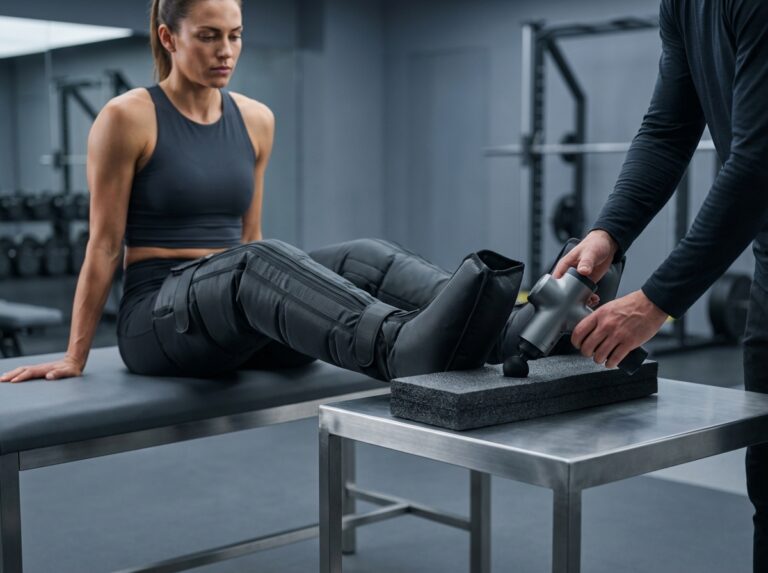
Athletes and coaches often debate whether compression socks or full-leg compression boots provide better post-exercise recovery. This article explores the physiology behind dynamic compression, compares clinical and real-world evidence, and gives practical guidance on choosing, using, and programming compression systems for training and competition recovery. Expect cost-benefit analysis, safety considerations, and actionable protocols to reduce soreness and speed healing.
Understanding how compression works
At its core, compression therapy is about moving fluids. After intense exercise, your legs can feel heavy and swollen because metabolic waste and fluid accumulate in the spaces between your cells. The goal of any compression garment is to apply mechanical pressure to your limbs to help your body clear this buildup, pushing old fluids out and allowing fresh, nutrient-rich blood to come in. This process is fundamental to how your body recovers, but the way socks and boots achieve it is quite different, leading to distinct physiological effects and outcomes.
The most basic form is static graduated compression, which is what you get from compression socks and sleeves. These garments apply a constant, passive pressure that is tightest at the ankle and gradually decreases up the leg. This design helps counteract gravity’s effects, preventing blood from pooling in your lower extremities and providing gentle support to your veins and lymphatic vessels. It’s a continuous, low-level assistance that works quietly in the background.
In contrast, dynamic pneumatic compression systems, like the boots that have become popular in training rooms, offer an active, session-based treatment. These devices use air to inflate and deflate a series of chambers that wrap around the legs. Instead of a constant squeeze, they provide a rhythmic, massaging pressure that actively pumps fluid up towards the center of the body. Most systems use a sequential pattern, where chambers inflate one after another from the foot towards the thigh, creating a wave of pressure that effectively “milks” the muscles and vessels. This dynamic approach is designed to mimic and enhance the body’s natural muscle pump function, which is crucial for circulation. You can learn more about how this works in practice by exploring how dynamic air compression compares to static options.
Let’s break down exactly what’s happening inside your body with each method.
Venous Return and Arterial Inflow
Both socks and boots improve venous return, which is the rate of blood flow back to the heart. Static socks provide a supportive squeeze that helps veins do their job more efficiently. Dynamic boots take this a step further. The sequential inflation physically pushes deoxygenated blood and metabolic waste out of the limbs. When the pressure is released, it creates a significant pressure gradient that causes a rapid influx of fresh, oxygenated arterial blood. This temporary increase in blood flow, known as reactive hyperemia, is thought to be a key mechanism for delivering the nutrients and oxygen needed for muscle repair.
Lymphatic Clearance and Interstitial Fluid Movement
Your lymphatic system is your body’s waste disposal network, clearing out cellular debris and excess fluid. Intense exercise can overwhelm this system, leading to swelling and that feeling of heavy legs. The active, wave-like massage from dynamic compression boots is particularly effective at stimulating lymphatic drainage. It mechanically pushes interstitial fluid, the fluid trapped between cells, into lymphatic vessels so it can be processed and removed. Static compression helps prevent further fluid accumulation but is less effective at actively clearing what’s already there.
Inflammation and Muscle Damage Markers
When you exercise hard, you create microscopic tears in your muscle fibers, triggering an inflammatory response and the release of biomarkers like creatine kinase (CK) and interleukin-6 (IL-6). The theory is that by improving circulation and clearing waste, compression should reduce these markers. The scientific evidence here is surprisingly mixed. Some systematic reviews have found that intermittent pneumatic compression does not consistently reduce levels of CK in the blood after exercise. Results for inflammatory markers like IL-6 are also inconsistent, with some studies showing a small reduction while others find no effect at all. This suggests that while compression might make you feel better, it may not be significantly altering the underlying muscle damage at a cellular level.
So, if the objective markers are inconsistent, what does the research say about real-world outcomes for athletes? The most robust evidence lies in subjective feelings of recovery.
Comprehensive reviews of multiple studies have concluded that compression boots provide a small but statistically significant reduction in delayed onset muscle soreness (DOMS) at the 24 and 48-hour marks post-exercise. In practical terms, this translates to about a 10-20% reduction in perceived soreness. On a 1-to-10 pain scale, an athlete might rate their soreness as a 4 instead of a 5. This effect, while modest, can be meaningful for an athlete needing to perform again the next day. The same reviews found small improvements in the recovery of muscle function, such as a slight increase in jump height 24 hours after a damaging workout, but these effects were less consistent than the soreness reduction.
However, it’s important to approach these findings with a critical eye. Other large-scale analyses have delivered more sobering conclusions, finding that when compared to simple passive rest, compression boots offered no significant benefit for next-day performance recovery. This highlights a key point; feeling less sore doesn’t always translate directly to better objective performance.
The science in this area is hampered by several limitations. Most studies use very small sample sizes, often with fewer than 20 participants. The protocols used are highly variable, with different pressures, treatment durations, and types of exercise, making it difficult to compare results across studies. Perhaps the biggest challenge is the powerful placebo effect. It is nearly impossible to create a convincing sham treatment for compression boots; participants know when they are receiving the therapy, and the sensation of a high-tech massage can strongly influence their perception of recovery, regardless of the physiological changes. The science is fairly solid that boots can help you feel less sore. The evidence that they significantly reduce objective markers of muscle damage or measurably boost next-day performance is still preliminary and requires more high-quality research.
Practical comparison buying and using compression systems
Deciding between compression socks and a full pneumatic boot system comes down to a trade-off between cost, convenience, and the specific recovery goals you have. They are fundamentally different tools. Socks offer a low-cost, passive, and continuous form of compression, while boots provide an active, session-based, and more intense treatment. Understanding these differences is key to making a worthwhile investment.
A Head-to-Head Comparison
Let’s break down the practical differences you’ll encounter when choosing and using these systems.
Cost
This is the most significant differentiator. A quality pair of compression socks typically costs between $25 and $60. You can own several pairs for different training days. Compression boot systems are a major investment, with prices for reputable models starting around $500 and climbing to well over $1,000. Some companies offer rental programs or refurbished units, which can lower the barrier to entry.
Portability and Convenience
Socks are unbeatable here. You can wear them all day, under your regular clothes, during travel, or even to bed. They are easy to pack and require no power. Boots, even the most portable models, are bulkier. They consist of the leg sleeves, a control unit, and connecting hoses. While many modern systems are TSA-friendly and have battery lives of three to eight hours, they still require a dedicated time and space for a session. You can’t walk around or do other tasks while using them.
Fit and Coverage
Socks provide coverage from the foot to just below the knee. Their effectiveness relies on a proper fit that delivers graduated pressure, tightest at the ankle and decreasing up the calf. Boots offer far more extensive coverage, typically from the foot to the top of the thigh. Some systems even have attachments for the hips and arms. The fit is more forgiving, as inflatable chambers conform to your leg shape, and most manufacturers provide a sizing chart based on your height or inseam length.
Pressure Ranges and Sensation
This is where the therapeutic experience diverges.
- Socks typically offer static pressure in the 15-30 mmHg range. This feels like a snug, constant hug on your lower legs. It’s noticeable but generally comfortable for extended wear.
- Boots provide dynamic, intermittent pressure. Most consumer models range from 30 mmHg to 110 mmHg, while some advanced units can reach 210 mmHg. A session at 40 mmHg feels like a gentle, rhythmic squeeze. At 80-100 mmHg, the pressure is intense and deeply compressive, temporarily occluding blood flow before release. This powerful “squeezing and releasing” is the hallmark of dynamic compression.
Design and Physiological Impact
The design dictates the outcome. Socks use a simple static gradient. Boots employ sophisticated technology. Most high-quality boots are multi-chambered, usually with four to eight overlapping zones that inflate and deflate in a specific sequence. This sequential inflation from the foot towards the torso is designed to mechanically push metabolic waste and excess fluid out of the limbs more effectively than a static squeeze. Some systems offer a peristaltic mode, which uses a pulsing wave-like pattern that is thought to be particularly effective for enhancing lymphatic drainage. Single-chamber boots, which inflate the entire leg sleeve at once, are less common and less effective at promoting fluid movement.
Maintenance
Socks are as easy to care for as any other piece of athletic apparel; just wash and dry them according to the manufacturer’s instructions. Boots require more attention. The exterior sleeves should be wiped down with a damp cloth after use. The interior liners, if removable, should be cleaned regularly with mild soap and water and allowed to air dry completely to prevent odors and bacterial growth. Hoses and connectors should be inspected for cracks or leaks.
Programming Your Recovery
How you use a compression system is just as important as which one you choose. It’s not about just sitting in them; it’s about applying the right pressure for the right duration at the right time. Start with the lowest pressure setting for your first few sessions to assess tolerance.
-
Post-Endurance Session (Run, Ride, Swim)
Goal: Enhance circulation and clear metabolic waste.
Protocol: Within 60 minutes of finishing. Use for 20–30 minutes at a moderate pressure of 50–80 mmHg. The focus is on gentle, rhythmic flushing. -
Post-Heavy Strength Session (Leg Day)
Goal: Reduce perceived soreness and muscle tightness.
Protocol: 1–2 hours after your session. Use for 30 minutes at a higher pressure of 80–110 mmHg. This more intense pressure can help mitigate the effects of DOMS. -
Tournament or Multi-Day Event Recovery
Goal: Quickly freshen legs between matches, heats, or stages.
Protocol: As soon as possible between efforts. Use for 30–45 minutes at a moderate-to-high pressure of 70–100 mmHg to reduce acute swelling and keep legs feeling responsive. -
Travel and Pre-Event Flushing
Goal: Combat travel-related swelling and prime muscles.
Protocol: Use for 30 minutes at a low pressure of 40–60 mmHg after a long flight or car ride. You can also use this same protocol the night before a major competition to promote relaxation and blood flow. -
Rest Day Use
Goal: Promote circulation and reduce residual stiffness.
Protocol: A 15 to 20-minute session at a low-to-moderate pressure (e.g., 40–60 mmHg) can serve as a form of “active recovery” to gently stimulate blood flow without putting stress on your system.
Combining with Other Modalities
While boots can supplement massage, they cannot fully replace it. The sequential compression mimics the long, gliding strokes of a flush massage, but a skilled therapist can treat specific knots and adhesions that boots cannot. For a powerful recovery combination, you can use boots first to flush the limbs, followed by an ice bath or targeted icing to reduce inflammation. However, do not use ice packs under a boot simultaneously, as this can create uneven pressure points and potentially damage the device.
Safety First: Contraindications and Red Flags
Dynamic compression is safe for most healthy individuals, but it is not for everyone. It is designed for muscle soreness from exercise, not for treating acute injuries like muscle tears or ligament sprains. Using compression on a fresh injury without a doctor’s guidance can be dangerous.
You must seek medical clearance before using a compression boot system if you have any of the following conditions:
- History of Deep Vein Thrombosis (DVT), pulmonary embolism, or thrombophlebitis
- Uncontrolled hypertension
- Peripheral Arterial Disease (PAD) or other vascular issues
- Congestive heart failure
- Active infections, cellulitis, or open wounds on the legs
- Recent surgery or trauma to the legs
- Severe neuropathy
- Pregnancy (consult with your doctor)
Stop use immediately if you experience pain, numbness, tingling, or skin color changes during a session.
Calculating Your Return on Investment (ROI)
Is the high cost of boots worth it? Consider this framework.
- Estimate the value of a single training session. What is it worth to you in terms of progress, coaching fees, or well-being? Let’s say $50.
- Track your training. How many sessions per month do you miss or perform poorly in due to excessive soreness or fatigue? Let’s say it’s three sessions. That’s a monthly loss of $150.
- If a $900 boot system helps you reclaim those three sessions each month, it could theoretically pay for itself in six months.
This calculation is personal, but it shifts the perspective from a luxury purchase to a tool for consistency. The primary benefit is not a direct performance enhancement but a potential reduction in soreness, which may lead to better quality training and fewer missed days.
Key Features to Prioritize
When comparing boot systems, look past the marketing and focus on these features.
- Adjustable Pressure and Multiple Modes Look for a wide pressure range (e.g., 30-110 mmHg) and different compression patterns (like sequential and pulsing) to customize your recovery.
- Overlapping Chambers Ensure the chambers in the leg sleeves overlap. This prevents gaps in compression and ensures a smooth, continuous gradient of pressure.
- Durable, Easy-to-Clean Materials The system should be built to last, with high-quality zippers and non-porous materials that are easy to wipe down. Replaceable liners are a major plus.
- Warranty and Customer Service A strong warranty (one to two years is standard) and responsive customer service are crucial for such a significant investment.
- Battery Life and Portability If you plan to travel with your boots or use them away from an outlet, prioritize a long battery life and a compact, lightweight control unit.
Final takeaways and recommendations
After exploring the science, technology, and practical questions surrounding compression, the final decision comes down to a personal cost-benefit analysis. Both compression socks and boots have their place in an athlete’s toolkit. The key is understanding which tool is right for your specific needs, budget, and goals. This is not about which is universally “better,” but which provides the right intervention at the right time for you.
To help you navigate this choice, let’s synthesize everything into a clear decision framework. Think of it as a checklist to determine if the significant investment in compression boots is justified or if high-quality compression socks will meet your recovery demands.
Your Decision-Making Checklist
Consider these four factors to guide your choice. The more you answer “yes” to the conditions favoring boots, the stronger the case for the investment.
-
Athlete Level and Goals
Socks are for: The recreational athlete or fitness enthusiast whose primary goal is managing general leg fatigue, reducing swelling during travel, or supporting daily comfort after moderate workouts. They are an excellent, low-cost entry point.
Boots are for: The competitive amateur or professional athlete whose performance hinges on rapid, consistent recovery. If you are pushing your physiological limits and small recovery advantages can impact race outcomes or season-long availability, boots become a serious consideration. -
Training Load and Intensity
Socks are for: Athletes training under 8–10 hours per week or those whose training is primarily moderate intensity. They provide sufficient support for managing the demands of a consistent but not overwhelming training schedule.
Boots are for: Athletes training over 12–15 hours per week, engaging in frequent high-intensity interval sessions, heavy strength training, or participating in multi-day events and tournaments. The higher the volume and intensity, the greater the physiological stress and the more valuable an intensive recovery modality becomes. -
Primary Recovery Bottleneck
Socks are for: General soreness, minor swelling after long periods of standing or sitting, and providing a sense of support and readiness for the next day’s light activity.
Boots are for: Persistent, deep muscle soreness (DOMS) that limits training quality, heavy-feeling legs that don’t seem to “clear out” between sessions, and significant swelling after maximal efforts. If your main limiter is the time it takes for your legs to feel fresh and powerful again, the dynamic flushing action of boots is designed to target this exact problem. -
Budget
Socks are for: Budgets under $100. You can acquire several pairs of high-quality, medical-grade compression socks for a fraction of the cost of a boot system. They offer a high return on a very small investment.
Boots are for: Budgets of $500 to over $1,000. This is a significant investment in specialized equipment. It should be considered alongside other major performance investments like coaching, nutrition, or a new bike. The cost is only justifiable if you fit the profile of a high-volume, competitive athlete whose performance is limited by recovery speed.
Safety First and Measuring Your Return
Before you begin, prioritize safety. If you have any history of blood clots (DVT), peripheral artery disease, severe hypertension, or active skin infections, you must get medical clearance from a physician. Always start with lower pressures and shorter durations to see how your body responds. Monitor your skin for any irritation and ensure your feet do not become numb or change color during a session.
To know if your investment is paying off, you need to measure it. Don’t rely solely on feel.
- Track Subjective Scores: Log your perceived muscle soreness, energy levels, and sleep quality on a simple 1–10 scale each morning. Look for a consistent improvement of 2 or more points on days after using the boots.
- Monitor Objective Data: If you use a wearable that provides a “readiness” or “recovery” score, track that data. A sustained increase in your baseline score is a positive indicator.
- Count Your Wins: The most important metric is your training consistency. How many sessions did you have to cut short, modify, or skip entirely due to sore, heavy legs before using boots versus after? Reducing these compromised sessions is the ultimate ROI.
Practical Next Steps
If you’re on the fence, you don’t have to commit to a purchase immediately.
- Try a Rental: Many physical therapy clinics and sports recovery centers now offer session-based use or weekly rentals of compression boot systems. This is an excellent, low-cost way to see how your body responds over a week of hard training.
- Consult a Professional: Talk to a sports-focused physical therapist or physician. They can assess your individual needs, screen for contraindications, and provide personalized advice on whether boots are a worthwhile tool for your specific situation.
The investment in compression boots is most likely worth it when an athlete’s training volume and competitive ambitions demand every possible advantage in recovery to maintain consistency and unlock peak performance.
References
- What Are The Benefits of Leg Compression Boots? | VIM & VIGR® — Wondering what compression boots do? Learn how they work and explore the benefits of compression boots for recovery and support.
- How Dynamic Air Compression is Better than Compression Socks or … — Dynamic air compression, such as the Speed Hound ProPerformance Recovery System, offers superior benefits to traditional compression socks or stockings.
- The 5 Best Compression Boots (2025) – Garage Gym Reviews — Looking for the best compression boots? Here are our picks for the top 5 on the market based on years of testing.
- 6 Best Compression Boots for Muscle Recovery 2025, Tested by … — While several brands offer compression boots for workout recovery, it's clear to us that Hyperice and Therabody reign supreme.
- 5 Best Compression Boots of 2025, Tested by Fitness Experts — Our personal trainers tested the best compression boots for circulation and recovery for athletes and runners.
- Intermittent pneumatic compression boots for post-exercise recovery — The research suggests that intermittent compression boots are no better or worse than compression socks. No clear advantage over other …
- Top 9 Compression Boots Benefits: Why More Americans Are Using … — For best results, many athletes use both socks during the day and boots during recovery time. Final Thoughts. Compression boots have moved …
- Compression Boots vs. Compression Socks: Which Is Better for … — In short: Boots deliver intensive, session‑based recovery; socks offer continuous, gentle assistance. Practical Use Cases. After Intense Training or Competition.
Legal Disclaimers & Brand Notices
Medical Disclaimer: The content of this article is provided for informational purposes only and is not intended to be a substitute for professional medical advice, diagnosis, or treatment. Always seek the advice of a qualified physician or other healthcare provider with any questions you may have regarding a medical condition, procedure, or recovery protocol, especially concerning contraindications such as Deep Vein Thrombosis (DVT), Peripheral Arterial Disease (PAD), or Congestive Heart Failure (CHF).
Trademark Acknowledgement: All product names, logos, and brands mentioned in this article or its references are the property of their respective owners. Use of these names, logos, and brands does not imply endorsement.