Compression boots and dynamic pneumatic systems have become a staple in athlete recovery. This article reviews the Therabody RecoveryAir JetBoots, assesses whether they justify their premium price, and explains how compression boots work, how to choose the right system, practical programming protocols, and safety considerations for athletes and teams.
Why dynamic compression matters for athlete recovery
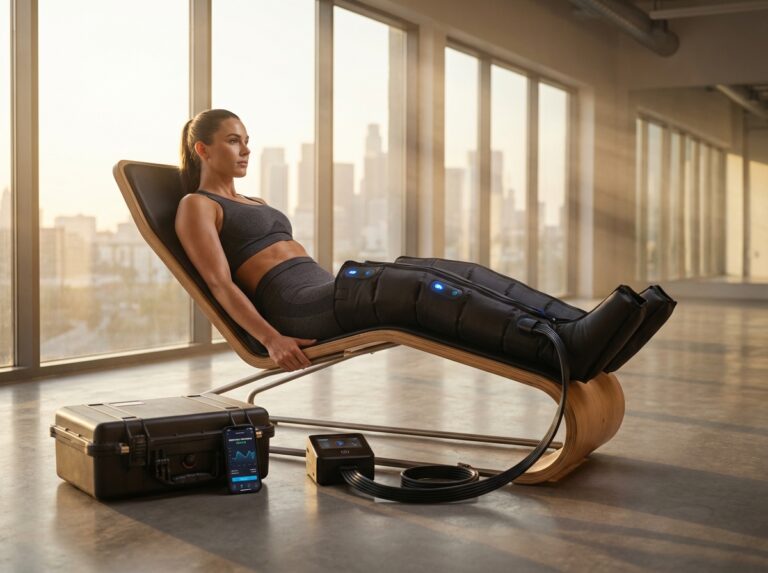
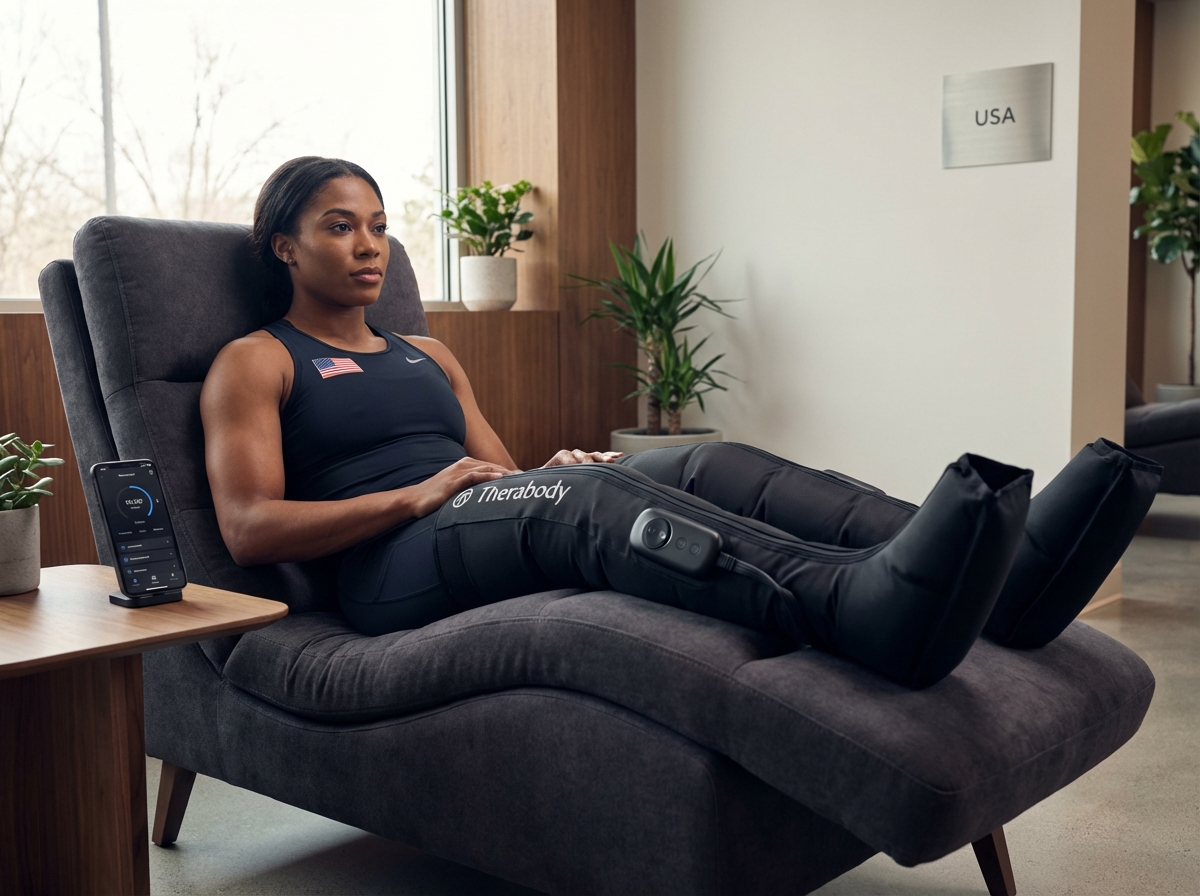
The current landscape of wireless compression has shifted toward integrated designs that eliminate external hoses. The Therabody RecoveryAir JetBoots represent this shift by housing the pump and battery directly at the foot of each garment. This design choice removes the need for a central console and the “tangle of hoses” common in older setups, making the system much easier to transport to a gym or a stadium. As of late 2025, the lineup includes the standard JetBoots, the JetBoots Prime, and the high-end JetBoots PRO Plus. Each model serves a specific segment of the athletic population based on their need for pressure intensity and additional therapies.
Technical Specifications and Build Quality
The core of the JetBoots system is the four-chambered internal sleeve. These chambers overlap in a hidden design, a critical detail that prevents pressure gaps or “dead zones” often found in cheaper boots where chambers simply sit side by side. The standard JetBoots and the Prime model provide pressure ranges from 20 mmHg up to 100 mmHg. Users can select from specific increments (20, 40, 60, 80, and 100 mmHg), though most athletes find that 50 or 60 mmHg provides sufficient compression. The JetBoots PRO Plus (Regular) | Wireless Compression Boots with LED extends this range to 120 mmHg and introduces vibration therapy and infrared LED light therapy built into the sleeves. This higher ceiling is often preferred by larger athletes or those with significant lower limb volume. The material is a medical-grade coated fabric that is non-porous and resists sweat or moisture, making cleaning simple with a basic disinfectant wipe.
The FastFlush technology is a primary selling point. It allows for a full inflation and deflation cycle in exactly 60 seconds. Many competing wireless systems take two or three minutes to complete one cycle. This speed means you get more compression events per twenty-minute session; more cycles translate to more frequent movement of fluid. The battery life is rated for 240 minutes. In real-world testing, this typically covers eight to ten full recovery sessions before needing a charge. The charging process uses a specialized splitter cable, allowing both boots to charge from a single wall outlet simultaneously in approximately 120 minutes.
Hands-On Testing and User Experience
The fit of the boots is critical for effective therapy. Therabody offers three sizes: Small (5’0″–5’5″), Medium (5’6″–6’0″), and Large (6’1″–6’6″). The medium size weighs roughly 4.1 pounds per boot. While this is heavier than a standard sock due to the integrated pump at the base, the weight is balanced well. Putting them on is straightforward; you slide your legs in and zip them up. The interior is smooth and lacks internal seams, making the boots comfortable against bare skin. The zippers are heavy-duty and do not catch on clothing. The noise level during the inflation phase is a low hum measuring around 48 decibels—quiet enough to use in a shared living space or while reading without distraction.
The controls are located on the top of the pump units at the feet. The JetBoots Prime (Regular) | Lightweight Wireless Compression Boots features a simplified interface with four pressure levels. The PRO Plus model adds a small digital screen, allowing for more granular control over time, pressure, hold time, and release intervals. Bluetooth connectivity links the boots to the Therabody app, which is useful for firmware updates. These updates have improved the synchronization between the two independent boots. In early versions, one boot would sometimes finish a cycle a few seconds before the other; the 2025 firmware has corrected this timing issue.
Performance Comparison and Value
When comparing the JetBoots to the wired RecoveryAir systems, the trade-off is clear: you lose the extreme customization of the wired PRO console but gain total mobility. The JetBoots Prime has an MSRP of 599 dollars (often available for a street price of 499 dollars). The standard JetBoots sit at 799 dollars, while the PRO Plus model reaches 999 dollars. These prices reflect a premium for the wireless engineering. When comparing these to the older 2021 or 2022 versions, the 2025 models show better battery efficiency and more durable charging ports.
Testing against manufacturer claims shows that the pressure is accurate within a 5 percent margin. The 60-second cycle claim is also verified, consistently hitting the mark even at higher pressure settings. While the 60-second cycle is a technical achievement, the practical difference in recovery outcomes compared to a 90-second cycle is still being studied. You can find more details on this specific technology at Therabody RecoveryAir JetBoots – Golf Discount.
| Feature | JetBoots Prime | JetBoots Standard | JetBoots PRO Plus |
|---|---|---|---|
| Max Pressure | 80 mmHg | 100 mmHg | 120 mmHg |
| Chambers | 4 Overlapping | 4 Overlapping | 4 Overlapping |
| Cycle Time | 60 Seconds | 60 Seconds | 60 Seconds |
| Battery Life | 240 Minutes | 240 Minutes | 240 Minutes |
| Extra Tech | None | None | Vibration and Infrared |
The value proposition depends on your lifestyle. For a team athlete who travels frequently, the lack of a console is a massive benefit; you can use these on a bus or a plane without needing an outlet. For a home user who stays in one spot, a wired system might offer more pressure options for a lower price. The warranty covers the pumps and the boots for one year. This is standard for the industry but feels short given the high price point. However, the build quality suggests they will last much longer than the warranty period with proper care, as the zippers and seams show no signs of stress after several months of daily use.
Compare against competitors and value for money
The market for dynamic compression has changed a lot by the end of 2025. Athletes now have more choices than ever. The Therabody RecoveryAir JetBoots sit in a premium spot. They compete directly with the Hyperice Normatec line and several other specialized systems. Choosing between them requires looking at more than just the price tag; you have to consider how the design fits into your daily routine.
Normatec 3 and Normatec Elite
Hyperice remains the primary rival for Therabody. The Normatec 3 uses a traditional setup with a separate control box and hoses. This design is common in professional training rooms and allows the pump to be more powerful. The Normatec Elite is their newer wireless version. It is similar to the JetBoots but feels slightly bulkier around the calf. Normatec uses a patented pulsing sequence that many athletes find more comfortable than a steady squeeze. Their app ecosystem is very mature and syncs with Garmin and Strava, a big plus for endurance athletes who want to track every part of their recovery.
Air Relax Plus and Pro
Air Relax is the go-to for people who want high pressure without the high cost. These systems often cost half as much as the JetBoots, but they are not wireless; you have to sit near a power outlet. The pressure can go up to 230 mmHg, which is much higher than what most doctors recommend for standard recovery. The build quality feels more industrial and lacks the sleek finish of Therabody products. Many independent clinics buy these because they are durable and easy to repair. They do not have a fancy app; you control everything through a physical remote or the pump itself.
Game Ready GRPro 2.1
This is a different category of device. It combines active compression with cold therapy and is much more expensive, with prices often exceeding 3,000 dollars. You will find these in every NFL and NBA locker room. It is meant for acute injury and post-surgical recovery, not as a portable tool for a gym bag. If you are a pro athlete dealing with chronic swelling or recovering from a knee scope, this is the gold standard. For general muscle soreness, it is overkill.
Marc Pro
Some athletes compare the JetBoots to the Marc Pro. This is a mistake in technology. Marc Pro uses electrical muscle stimulation (EMS), not air pressure. It is great for flushing out waste while you are moving around the house, but it does not provide the same “heavy leg” relief that pneumatic compression offers. Many elite performers use both: the JetBoots for 20 minutes after a hard session and the Marc Pro later in the evening.
| Feature | JetBoots Prime | Normatec Elite | Air Relax Pro |
|---|---|---|---|
| Design | Fully Wireless | Fully Wireless | Wired Pump |
| Pressure Max | 100 mmHg | 110 mmHg | 230 mmHg |
| Cycle Time | 60 Seconds | 90 Seconds | 120 Seconds |
| Warranty | 2 Years | 1 Year | 1 Year |
Total Cost of Ownership
The initial price is only part of the story. JetBoots Prime retail for around 599 dollars. The JetBoots PRO Plus can reach 999 dollars. You should expect these to last four to five years with regular use. There are no extra hoses to buy, which is a hidden saving; traditional systems often need new hoses after two years because the connectors wear out. Replacement batteries for wireless units are expensive, usually costing around 150 dollars if they fail out of warranty. Therabody does not charge a subscription fee for their app, keeping ongoing costs low compared to some fitness tech that requires monthly payments.
Buyer Profiles
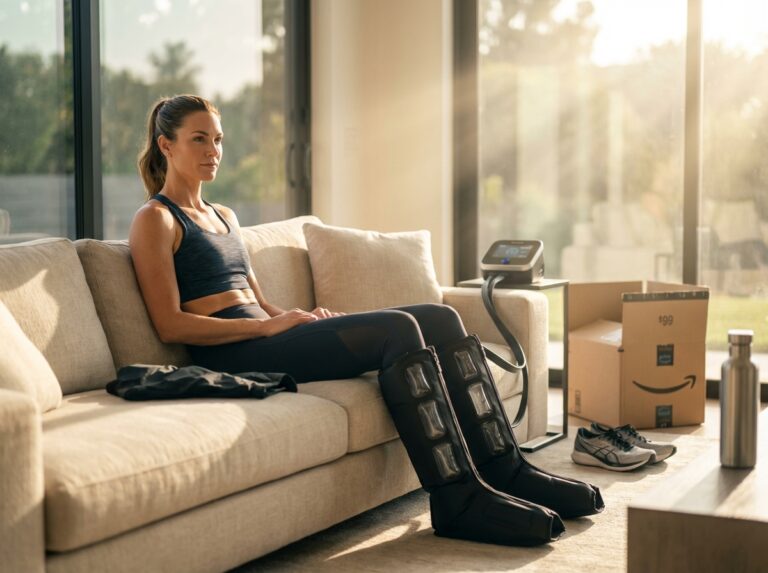
The JetBoots are the best choice for the traveling athlete. If you spend time in hotels or at track meets, the lack of wires is a massive advantage. You can use them on a plane or in a bus. They are also ideal for home users who value a clean aesthetic and want to tuck them under a coffee table without a mess of tubes.
The Air Relax is better for the budget-conscious athlete. If you have a dedicated recovery corner in your garage and do not mind the wires, you can save 400 dollars.
Clinics should look at the Normatec 3. The separate pump is easier to sanitize, and you can buy multiple boot sizes and use one pump for everyone, which is more cost-effective for a business.
Return on Investment Example
Consider a collegiate soccer team. They buy ten pairs of JetBoots for roughly 6,000 to 8,000 dollars. If these boots help three starters avoid minor calf strains that would sit them out for two games, the investment is protected. The cost of a lost season or a missed scholarship opportunity is far higher than the price of the equipment. For a pro athlete, the ROI is even simpler. If the boots save four trips to a massage therapist per year, they have paid for themselves by month twelve. The time saved by recovering at home instead of driving to a clinic is an added bonus.
How to choose and program compression boots for your goals
Selecting the right compression system requires a clear understanding of your daily routine and physical demands. You should first evaluate your budget because wireless systems like the Therabody RecoveryAir JetBoots often carry a higher price tag than tethered units. This cost reflects the convenience of integrated pumps which eliminate external hoses. Frequency of use is another major factor. If you plan to use the boots daily, durability and battery life become priorities. Portability matters for athletes who travel for competitions or need to recover in locker rooms. You must also decide between full leg coverage and calf-only sleeves. Full leg boots provide a more comprehensive flush of the lower extremities. Clinical settings might require systems with replaceable sleeves for hygiene, while personal users can prioritize comfort and ease of setup.
Medical Safety and Contraindications
Before starting any compression program, you must rule out certain medical conditions. Do not use these devices if you have a history of deep vein thrombosis or pulmonary embolism. Active skin infections, open wounds, or acute bone fractures in the legs are also strict contraindications. If you have congestive heart failure or severe peripheral vascular disease, consult a physician first. The pressure can shift fluid toward the heart, which might overwhelm a compromised cardiovascular system. Always monitor for numbness or tingling during a session. If these sensations occur, reduce the pressure or stop the treatment immediately.
Postgame Recovery Protocol
After a high-intensity game or team sport event, the goal is to reduce metabolic waste and manage exercise-induced muscle damage. Set your JetBoots to a pressure range of 80 to 100 mmHg. Use the standard sequential inflation mode which fills chambers from the foot upward to the thigh. The session should last between 45 and 60 minutes. This duration allows for multiple FastFlush cycles to move fluid effectively. Perform this session within two hours of finishing your event for the best results.
Morning Recovery for Training Blocks
When you have back-to-back training days, a short morning session can help reduce stiffness. Set the pressure to a lower range of 25 to 50 mmHg. This light pressure stimulates blood flow without adding stress to the tissues. A 15-minute session is usually enough to improve mobility before you start your daily activities. Use the continuous inflation mode if available to provide a steady massage effect.
Acute Injury Swelling Control
For minor sprains or localized swelling, use the boots in short, frequent bursts. Keep the pressure very low, around 20 to 30 mmHg. The goal is gentle lymphatic drainage rather than deep tissue compression. Limit these sessions to 10 or 15 minutes but repeat them three times throughout the day. Ensure that the pressure does not cause pain at the injury site. If the swelling is accompanied by severe bruising or inability to bear weight, seek a medical evaluation before using compression.
Tapering Before Competition
During a taper week, your focus shifts to maintaining freshness without overstimulating the nervous system. Use a moderate pressure of 50 mmHg for 20 minutes daily. This routine keeps the legs feeling light and maintains circulation. Avoid high-pressure settings during the 48 hours leading up to a major race or game. You want your muscles to retain some natural tension for explosive movements.
Sample Periodized Recovery Plan
A typical training week for a competitive athlete might look like this. On Monday, after a heavy lifting session, use the boots for 30 minutes at 75 mmHg. Tuesday is a recovery day, so perform a 45-minute session at 60 mmHg in the evening. Wednesday involves moderate training, followed by 20 minutes at 50 mmHg. Thursday is another high-intensity day requiring 30 minutes at 80 mmHg. Friday is a pre-competition taper day with 20 minutes at 40 mmHg. Saturday is game day, followed by a 60-minute postgame flush at 100 mmHg. Sunday is a rest day with an optional 30-minute session at a comfortable low pressure.
Troubleshooting and Compliance Tips
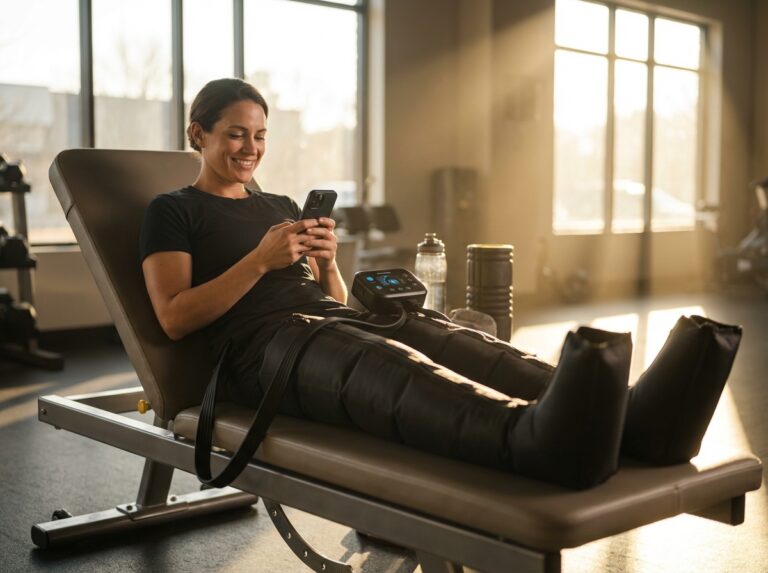
If your JetBoots fail to reach the desired pressure, check the fit of the boots first. Loose boots require more air and time to compress. Ensure the zippers are fully closed and the battery is charged above twenty percent. For better compliance, keep your boots in a visible spot like next to your couch or bed. Using them while watching a show or reading makes the time pass quickly. Clean the interior sleeves weekly with a non-abrasive disinfectant wipe to prevent odor and bacteria buildup. If you find the boots uncomfortable, wear thin leggings to provide a barrier between your skin and the nylon material. This also helps manage sweat and keeps the boots cleaner for longer periods. For those who travel, the JetBoots Prime models are particularly useful because they fit easily into standard carry-on luggage without the need for extra cables.
Frequently Asked Questions
Are JetBoots worth the investment for recreational athletes?
Recreational athletes benefit from these boots if they train at least four times per week. The wireless design of the Therabody RecoveryAir JetBoots removes the friction of setup. This leads to more consistent use compared to wired systems. If your budget allows for the premium price, the convenience often justifies the cost for busy individuals. Those training less frequently might find similar physiological benefits from cheaper manual recovery methods.
How do pneumatic compression boots compare to cold water immersion?
Cold water immersion is more effective for reducing core body temperature and acute inflammation after high intensity exercise. Compression boots focus on increasing blood flow and lymphatic drainage through mechanical pressure. Research suggests that compression does not blunt muscle hypertrophy in the same way that ice baths might. This makes boots a better choice for athletes in a muscle building phase. Many professionals use both tools at different points in their training cycles.
Can these compression boots be used every day?
Daily use is safe for most healthy individuals when limited to sessions of twenty to thirty minutes. There is no evidence that frequent use causes harm to muscle tissue or vascular systems. Most athletes find that a daily evening session helps manage the cumulative fatigue of a heavy training week. You should listen to your body and ensure the pressure remains comfortable rather than painful.
What are the medical contraindications for using dynamic compression?
You must avoid these devices if you have a history of deep vein thrombosis or pulmonary embolism. They are unsafe for individuals with acute skin infections, bone fractures, or congestive heart failure in the lower limbs. People with active cancer or undiagnosed leg pain should also refrain from use. This answer depends on individual medical conditions. Please consult a clinician before starting a compression routine.
Does dynamic compression improve long term athletic performance?
Compression boots primarily improve the rate of recovery between training sessions. They do not directly increase your VO2 max or muscle strength. By reducing perceived muscle soreness, they allow you to maintain a higher quality of movement during your next workout. This improved training consistency is what eventually leads to better long term performance gains. They are a tool for preparation rather than a direct performance enhancer.
Can JetBoots be used during air travel or long bus rides?
The wireless nature of this system makes it ideal for travel. They are TSA approved for carry on luggage because the batteries are built into the boots. Using them during a flight can help manage the lower limb swelling often associated with long periods of sitting. You should check with your airline regarding the use of electronic devices during the flight. Their portability is one of the main reasons athletes choose them over the JetBoots PRO Plus which offers more features but similar portability.
What is the best way to clean and maintain the boots?
You should wipe the interior and exterior with a damp cloth and mild soap after every few uses. Avoid using harsh chemicals or abrasive cleaners that could damage the medical grade fabric. Ensure the boots are completely dry before zipping them up or storing them in a bag. Keeping the zippers free of hair and debris will extend the life of the product significantly. Do not submerge the boots in water because the pumps and batteries are integrated into the base.
Do the JetBoots require a paid subscription or app activation?
The core functions of the JetBoots work perfectly without any app or subscription. You can control the pressure and time directly from the buttons on the pump unit. The Therabody app is free to download and provides additional customization options via Bluetooth. It allows you to save specific routines or adjust settings more precisely. There are no hidden monthly fees required to access the full power of the hardware.
What kind of warranty and support should buyers expect?
Therabody typically provides a one year limited warranty on the device and the internal pumps. This covers manufacturing defects but does not include standard wear and tear or accidental damage. Their customer support is based in the United States and is generally responsive to troubleshooting needs. Many users find that the build quality justifies the premium price point over generic brands. It is wise to register your product immediately after purchase to simplify any future service claims.
How do I choose the proper size for my legs?
Sizing is based on your height and the length of your inseam. A proper fit ensures that the four compression chambers align correctly with your major muscle groups. If the boots are too long, the foot chamber will not provide effective pressure. If they are too short, you will miss out on full quad coverage. Most retailers provide a detailed sizing chart to help you choose between small, medium, and large options. Refer to the Therabody JetBoots Prime sizing guide for the most accurate measurements.
Is the pressure range high enough for professional athletes?
The JetBoots offer pressure settings up to one hundred millimeters of mercury. This range is more than sufficient for the vast majority of recovery needs. Higher pressure is not always better and can sometimes cause discomfort or bruising. The effectiveness of the device comes from the sequential nature of the compression rather than the raw force. Most users find their sweet spot between forty and eighty units of pressure.
Can I use these boots if I have varicose veins?
Dynamic compression is often used to help with venous insufficiency. It can assist in moving blood back toward the heart. However, the high pressure of athletic boots is different from medical grade compression stockings. You should speak with a vascular specialist before using these if you have significant vein issues. This answer depends on individual medical conditions. Please consult a clinician before starting a compression routine.
Final takeaways and recommendations
The decision to invest in the Therabody RecoveryAir JetBoots comes down to how much you value the friction-less transition from training to recovery. By late 2025, the market is flooded with wireless options, yet these boots maintain a specific edge through their integration of the pump into the base of the foot. This design eliminates the tangle of external hoses and separate compression units that often clutter a gym bag or a living room. For those who prioritize a clean setup and the ability to recover while sitting in a car or on a flight, the convenience factor is hard to beat.
Final Assessment of Strengths and Weaknesses
Performance and Speed
The FastFlush technology remains the standout feature of the RecoveryAir line. While many competitors take two or three minutes to complete a single cycle of inflation and deflation, the JetBoots manage this in sixty seconds. This means you get more compression cycles in a twenty-minute window. More cycles translate to more frequent movement of metabolic waste and better circulation during your session. You can find more details on the technical specs at the Therabody RecoveryAir JetBoots product page.
Design and Portability
The fully wireless design is the primary reason for the premium price. There are no external modules to carry. The battery life is robust, lasting up to 240 minutes, which is usually enough for a full week of daily recovery sessions without needing a charge. However, the integrated pumps add weight to the feet. This makes the boots feel bottom-heavy when you are moving them around. It is a small trade-off for the lack of hoses, but it is noticeable if you are used to traditional systems.
Customization and Control
The JetBoots Prime offers four pressure levels, which is sufficient for most users. If you need more granular control or additional therapies like infrared, you would look toward the JetBoots PRO Plus. The PRO Plus model integrates vibration and LED light therapy, though it comes at a significantly higher cost. For the average athlete, the standard JetBoots provide the essential mechanical tension needed for recovery without the extra fluff.
Recommendations for Different Users
Pro and Collegiate Athletes
For those who travel constantly for games or meets, these are a top-tier choice. The ability to use them on a bus or plane without needing a power outlet or space for a separate pump is invaluable. The durability of the internal chambers is also a plus for heavy use. We recommend these for any athlete who spends more than fifty percent of their recovery time away from a dedicated training facility.
Weekend Warriors and Fitness Enthusiasts
If you find yourself skipping recovery because setting up a wired system feels like a chore, the JetBoots are worth the investment. They remove the barrier to entry. But if you are on a budget, the premium for the wireless feature might be better spent on other recovery tools like high-quality nutrition or coaching. These are a luxury convenience, not a physiological necessity over wired versions.
Coaches and Athletic Trainers
In a busy training room, wires are a tripping hazard. The JetBoots allow you to set up multiple athletes in a small space without a web of tubes. The easy-to-clean interior is another major benefit. The boots use non-porous material that does not trap sweat or bacteria, allowing for quick turnover between athletes with a simple medical-grade wipe.
Sports Medicine Clinicians
From a clinical perspective, the precise pressure control is the most important factor. The JetBoots ensure that pressure is applied sequentially from the feet toward the heart, which is critical for edema management. The overlapping chambers prevent “windows” of no pressure where fluid could pool. This makes them a reliable tool for post-surgical recovery or managing chronic swelling under professional supervision.
Buy or No-Buy Checklist
| Reason to Buy | Reason to Skip |
|---|---|
| You travel frequently for sport. | You have a dedicated recovery space at home. |
| You want the fastest cycle time available. | You are on a strict budget under five hundred dollars. |
| You prefer a clutter-free environment. | You require pressures higher than 100 mmHg. |
| You need a system that is easy to disinfect. | You prefer the lightest possible boot weight. |
Next Steps and Maintenance
Testing and Demos
Before purchasing, check if a local physical therapy clinic or high-end gym offers a demo. Many recovery lounges now carry the Therabody JetBoots Prime for hourly rentals. This is the best way to ensure the fit is right for your leg length and that the pressure levels meet your expectations.
Safety and Care
Always consult a doctor if you have a history of deep vein thrombosis, acute inflammation, or skin infections. For maintenance, wipe the interior with a damp cloth and mild detergent after every few uses. Avoid using abrasive chemicals that could degrade the medical-grade fabric. Keep the charging ports free of debris to ensure the battery remains functional for years to come.
Reputable Sources for Further Reading
- Journal of Strength and Conditioning Research for peer-reviewed studies on pneumatic compression.
- Therabody University for specific protocols on session timing and pressure settings.
- British Journal of Sports Medicine for clinical guidelines on recovery technology.
- The official Therabody JetBoots Comparison Guide for updated 2025 pricing and model differences.
References
- Therabody RecoveryAir JetBoots | Dynamic Compression Device — JetBoots PRO Plus, the most advanced recovery boots on the market, combine cutting-edge wireless pneumatic compression, vibration therapy, and infrared LED …
- Therabody RecoveryAir JetBoots | Leg Compression — Product Specification: · 2 RecoveryAir compression boots with integrated pumps · 36W charger – jack port · Splitter charging cord · Boots pouch.
- Therabody JetBoots Comparison Guide (2025) — The JetBoots Prime offers many of the features of the original JetBoots but adds enhanced customization with four adjustable pressure levels and time intervals.
- Therabody RecoveryAir JetBoots Review & How-To Guide! – YouTube — Get the all new Therabody RecoveryAir Jetboots here! https://www.recoveryforathletes.com/products/therabody-recoveryair-jetboots Shop all of …
- JetBoots PRO Plus (Regular) | Wireless Compression Boots with LED — JetBoots PRO Plus are the first-ever wireless recovery boots to combine compression therapy with powerful vibration and infrared LED light therapies.
- Therabody JetBoots Prime — It uses precise, sequential pressure that enhances circulation and delivers oxygen and nutrients to the muscles. Use compression at home or in the parking lot …
- JetBoots Prime (Regular) | Lightweight Wireless Compression Boots — Built-in customizable controls. Maximize your treatments by selecting from four pressure levels and a recovery time that's best for you. ; Jet Boots Prime.
- Therabody RecoveryAir JetBoots – Golf Discount — 2-3x faster than competitors¹ with FastFlush™ Technology. Full inflation and deflation cycle in just 60 seconds. That means more cycles per session. That means …
Legal Disclaimers & Brand Notices
The information provided in this article is for informational and educational purposes only and does not constitute professional medical advice, diagnosis, or treatment. Always seek the advice of your physician or another qualified health provider with any questions you may have regarding a medical condition, contraindications, or the suitability of a specific recovery protocol for your health needs. Never disregard professional medical advice or delay in seeking it because of something you have read in this content.
All product names, logos, brands, and trademarks mentioned in this article are the property of their respective owners. All company, product, and service names used in this website are for identification purposes only. Use of these names, logos, and brands does not imply endorsement or affiliation.